
Shanxi Large Bridge Cluster Structural Health Monitoring
A multi-bridge structural health monitoring system for a provincial long-span bridge cluster, integrating 800+ sensor-level deployment, distributed acquisition, and centralized DL-SHM monitoring.
Project Type
Civil Infrastructure Structural Monitoring
System Scale
8 long-span bridges with 861 total sensors, including distributed acquisition, installation, commissioning, and online trial operation
Data Output
multi-bridge vibration, cable force, strain, displacement, tilt, temperature, environmental status, and alarm records
Engineering Value
How the system supported engineering decisions
The case establishes civil infrastructure as a core vertical for large bridge cluster SHM.
DL-DAQ distributed acquisition and DL-SEN field sensors were mapped into one DL-SHM monitoring center.
The 861-sensor deployment demonstrates 800+ sensor system delivery, commissioning, and online operation capability.
Monitoring Content
Monitoring scope and field constraints addressed by the deployment
Eight bridges required consistent sensor coding, acquisition hierarchy, commissioning workflow, and monitoring outputs across separate structures.
The 800+ sensor scale required distributed acquisition architecture instead of a single cabinet-only layout.
Bridge owners needed long-term structural safety visibility for cable force, vibration, strain, and operating-state review from one monitoring center.
System Configuration
Configured system architecture and data path
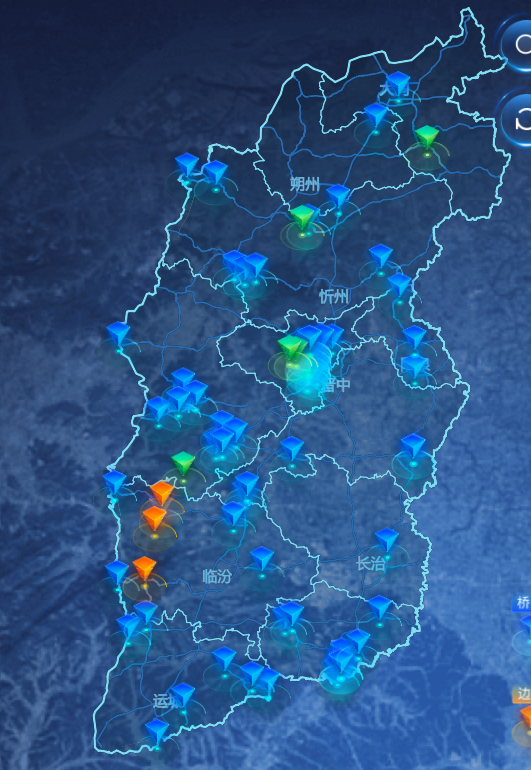
Field Devices
DL-SEN acceleration, strain, displacement, tilt, temperature, and cable-force sensors installed across bridge spans, towers, cables, decks, and support zones
Communication Layer
Distributed DL-DAQ acquisition stations aggregate field signals bridge by bridge before transferring data to the monitoring center
Central Platform
DL-SHM systems for multi-bridge status display, alarm review, historical trends, commissioning records, and maintenance reporting
Case Visual Evidence
Source visuals and deployment references
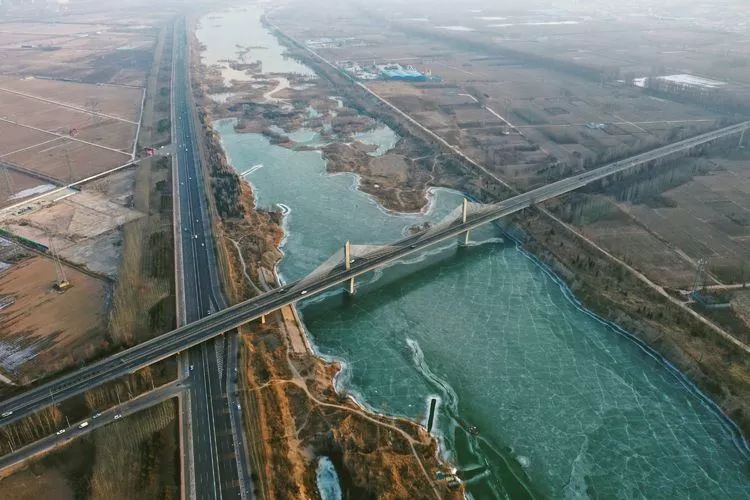
Long-span bridge environment
Aerial bridge context supports the large-span highway bridge monitoring case narrative.
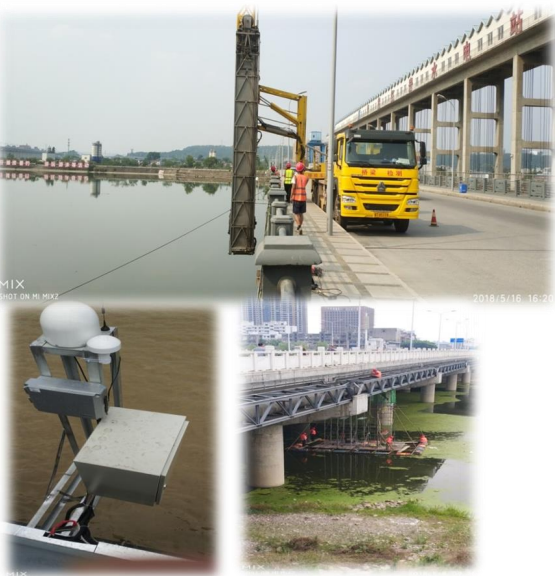
Multi-bridge field monitoring reference
Bridge field installation imagery supports the multi-site monitoring and distributed acquisition workflow.
Sensor Deployment
Sensor layout and measurement purpose
Bridge cluster field layer
DL-SEN acceleration, strain, displacement, temperature, tilt, and cable-force sensors
Measure bridge vibration, cable force, strain, deformation, and environmental condition across the bridge group
Cable-supported bridge members
DL-SEN cable-force and low-frequency acceleration sensors
Track stay-cable force distribution and vibration response on key spans
Distributed acquisition nodes
DL-DAQ systems
Aggregate local bridge signals through distributed acquisition stations before central monitoring
Monitoring center
DL-SHM systems
Provide cluster-level trend display, alarm management, data storage, and structural safety review
Data Analysis Results
Monitoring indicators and interpretation
Bridge cluster scale
8 bridges and 861 sensors integrated
The deployment validated large-scale civil infrastructure monitoring beyond single-bridge projects.
Distributed acquisition
field acquisition nodes connected to centralized monitoring
Local signal routing reduced cabling pressure and supported bridge-by-bridge commissioning.
Long-term safety monitoring
multi-bridge vibration, cable force, strain, and environmental records
Maintenance teams could compare structural status across the bridge cluster.
Engineering Credibility
Reliability, topology, and project validation
99.98%
target data availability
IP67/68
field protection classes
4G/Fiber
site transmission options
RFQ
project-based configuration
Measurement planning
Monitoring object, measurement range, sampling rate, and signal type guide project configuration.
Communication options
DL systems support project configurations using wired, wireless, GNSS, and gateway-based communication methods.
Documentation support
Datasheets and technical selection information are available upon request for RFQ preparation.
Product selection should be confirmed against site conditions, measurement points, installation environment, and expected data output.
Structured RFQ Path
Request path for Civil Infrastructure Structural Monitoring Project
Step 1
Define Data Nodes
Sensor, wireless node, GNSS station, seismic unit, or DAQ field layer.
Step 2
Configure Network
Civil infrastructure, industrial equipment, heritage, seismic, or research monitoring chain.
Step 3
Build RFQ Scope
Asset type, measurement points, channels, sampling rate, communication, environment, and duration.
Step 4
Review Proposal
Receive system architecture, product configuration, data output, and engineering review structure.
Project Overview
Engineering context and monitoring scope
A highway bridge cluster in Shanxi required structural health monitoring across eight long-span bridges. The project scope covered engineering installation, commissioning, and online trial operation within a two-month delivery window, with 861 total sensors connected to a centralized monitoring architecture.
Client type
Highway bridge owner, bridge inspection contractor, and long-span bridge maintenance team
System scale
8 long-span bridges with 861 total sensors, including distributed acquisition, installation, commissioning, and online trial operation
Project type
Civil Infrastructure Structural Monitoring