
Foshan Qinghui Garden Ancient Structures Monitoring
An Ancient Structures Monitoring case for Qinghui Garden, focused on crack evolution, structural vibration response, tilt, displacement, long-term deformation, and environmental influence on protected historic walls.
Project Type
Cultural Heritage Monitoring System
System Scale
crack, vibration, tilt, leveling, temperature-humidity, weather, and software monitoring across key Qinghui Garden structures
Data Output
crack data, vibration data, tilt data, displacement and leveling trend, temperature-humidity data, weather data, and long-term deformation trend
Engineering Value
How the system supported engineering decisions
The case is classified under Cultural Heritage Monitoring System instead of Civil Infrastructure Structural Monitoring.
The monitoring scope follows Ancient Structures Monitoring terminology: crack evolution, structural vibration response, tilt, displacement, long-term deformation, and urban construction influence.
The system configuration combines sensors, DAQ, and software platform outputs for RFQ-ready heritage monitoring proposals.
Monitoring Content
Monitoring scope and field constraints addressed by the deployment
Crack evolution monitoring for protected historic walls and structural components.
Structural vibration response monitoring under metro, traffic, construction, or environmental excitation.
Tilt, displacement, and long-term deformation monitoring with installation methods suitable for protected ancient structures.
System Configuration
Configured system architecture and data path
Field Devices
Dynamic DAQ, wireless acceleration sensors, wireless tilt sensors, wireless velocity sensors, crack gauges, static leveling instruments, wireless temperature-humidity sensors, and weather station
Communication Layer
Distributed DAQ, wireless or wired sensor links, 4G / TCP transmission, and protected field cabinets where required
Central Platform
DL-SHM / PHM platform mapped from the source G01NET monitoring software, with dynamic acquisition, wireless sensing, static leveling, weather and environmental monitoring, trend analysis, alarm review, and heritage structural health reports
Case Visual Evidence
Source visuals and deployment references
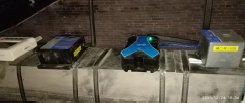
Qinghui Garden field monitoring equipment
Field equipment reference for data acquisition, wireless sensing, and protected long-term heritage monitoring deployment.
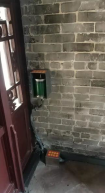
Qinghui Garden wall sensor installation
Wall-side sensor installation supports crack evolution, vibration response, and deformation trend monitoring on protected historic fabric.
Sensor Deployment
Sensor layout and measurement purpose
Crack monitoring points
DL-SEN crack gauges and vibrating-wire or voltage acquisition channels
Measure crack opening, crack evolution, and long-term crack trend on heritage fabric
Structural vibration points
DL-SEN acceleration or velocity sensors
Capture structural vibration response caused by construction, traffic, metro operation, or environmental activity
Tilt and displacement points
DL-SEN tilt sensors, displacement sensors, and optional leveling or GNSS references
Track tilt, settlement-linked displacement, and long-term structural deformation
Heritage monitoring platform
DL-DAQ systems and DL-SHM / PHM software platform
Aggregate sensor data, trend analysis, alarm review, and heritage structural health reports
Data Analysis Results
Monitoring indicators and interpretation
Crack data
crack width and crack evolution trend
The monitoring output supports evaluation of crack development and repair priority.
Vibration data
structural vibration response and event records
Dynamic response evidence helps assess construction or traffic influence on the protected structure.
Displacement trend
tilt, settlement-related displacement, and long-term deformation trend
Long-duration deformation records support Heritage Structural Health Monitoring decisions.
Engineering Credibility
Reliability, topology, and project validation
99.98%
target data availability
IP67/68
field protection classes
4G/Fiber
site transmission options
RFQ
project-based configuration
Measurement planning
Monitoring object, measurement range, sampling rate, and signal type guide project configuration.
Communication options
DL systems support project configurations using wired, wireless, GNSS, and gateway-based communication methods.
Documentation support
Datasheets and technical selection information are available upon request for RFQ preparation.
Product selection should be confirmed against site conditions, measurement points, installation environment, and expected data output.
Structured RFQ Path
Request path for Cultural Heritage Monitoring System Project
Step 1
Define Data Nodes
Sensor, wireless node, GNSS station, seismic unit, or DAQ field layer.
Step 2
Configure Network
Civil infrastructure, industrial equipment, heritage, seismic, or research monitoring chain.
Step 3
Build RFQ Scope
Asset type, measurement points, channels, sampling rate, communication, environment, and duration.
Step 4
Review Proposal
Receive system architecture, product configuration, data output, and engineering review structure.
Project Overview
Engineering context and monitoring scope
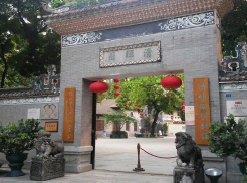
Qinghui Garden is a nationally protected cultural heritage site and one of China's famous traditional gardens. Localized severe cracking in brick wall areas created a need for long-term Heritage Structural Health Monitoring because environmental vibration and uneven foundation settlement could accelerate crack development and affect structural safety.
Client type
National-level protected heritage site operator and structural safety team
System scale
crack, vibration, tilt, leveling, temperature-humidity, weather, and software monitoring across key Qinghui Garden structures
Project type
Cultural Heritage Monitoring System