
Monitoring Solution for Cultural Heritage Monitoring System
Heritage Structural Health Monitoring for ancient buildings, protected cultural sites, rock-cut heritage, and stone cave structures exposed to cracks, vibration, deformation, weathering, and nearby construction impact.
Project configuration scope
ancient structures, protected historic buildings, temple and garden buildings, rock-cut heritage sites, stone caves, carved rock masses, and heritage structures affected by metro construction, highway construction, environmental vibration, settlement, weathering, and visitor activity
Sensors
DL mapped
DAQ
DL mapped
Platform
DL mapped
Alerts
DL mapped
Industry Problem
Cultural Heritage Monitoring System monitoring risks and field constraints
Monitor crack evolution, structural vibration response, tilt, displacement, long-term deformation, rock-mass fissure evolution, weathering-related structural degradation, stability trends, and environmental or human-activity impact for protected heritage assets.
Structural risks
- crack evolution in masonry, timber, and brick wall systems
- structural vibration response from traffic, metro, and construction activity
- tilt, displacement, settlement, and long-term deformation
- rock-mass fissure development and carved-stone stability change
- weathering and environmental degradation affecting heritage structures
Monitoring challenges
- non-invasive installation around protected cultural fabric
- long-term low-amplitude deformation and crack trend capture
- mixed static and dynamic monitoring across cracks, vibration, tilt, displacement, and environmental channels
- separating construction influence from seasonal and visitor-related variation
- turning heritage risk indicators into clear RFQ scope and reporting outputs
Environmental conditions
- historic masonry and timber structures
- rock-cut cave and stone-carving environments
- metro or highway construction influence
- visitor activity and traffic vibration
- temperature, humidity, wind, rainfall, weathering, and long-duration exposure
Recommended System Configuration
Typical hardware and software scope for this solution
Final selection depends on monitoring object, measurement points, signal type, communication method, and site installation conditions.
System Topology
From monitored asset to engineering decision
01
Monitoring Object
Bridge, tunnel, equipment, heritage, or laboratory structure
02
Sensor Network
Vibration, strain, displacement, GNSS, seismic, and environmental points
03
DAQ / Gateway
Synchronized acquisition, edge storage, timing, and communication
04
Platform Output
Trend, waveform, event alarm, report, dashboard, and RFQ package
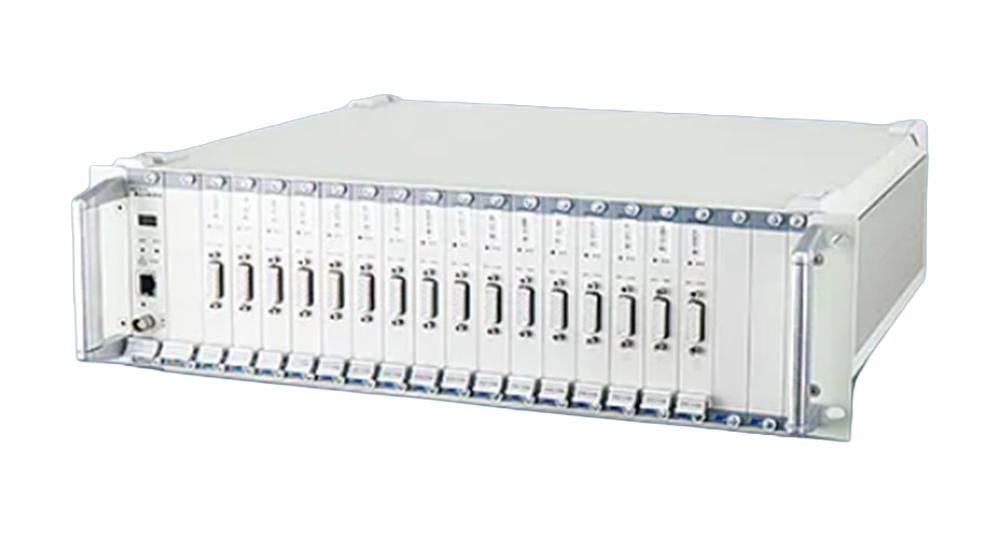
DL-DAQ-901
Dynamic Signal Testing and Analysis System
Dynamic signal testing and analysis system for large-structure strength and service-life evaluation, supporting strain, bridge-type sensors, IEPE acceleration and acoustic sensors, charge sensors, RTD, thermocouple, current-loop sensors, eddy-current, velocity, acceleration, displacement, and voltage inputs, Ethernet or USB 3.0 communication, multi-channel synchronized recording, 256 kHz per-channel sampling, bridge self-check, TEDS support, and long-duration data storage.
Strain, bridge sensors, IEPE, charge, RTD, thermocouple, current-loop, eddy-current, velocity, acceleration, displacement, and voltage
Up to 256 kHz per channel
Ethernet or USB 3.0
Bridge / Building
Details
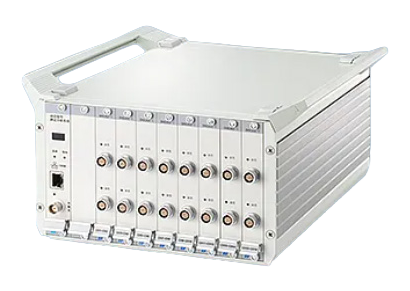
DL-DAQ-902
Ultra-Dynamic Signal Testing System
Ultra-dynamic signal testing system for shock and blasting tests, supporting stress-strain, bridge-type force, pressure, displacement, velocity, acceleration, charge, and voltage signals, 8M-point per-channel cache, 20 MHz transient sampling, DC to 1 MHz frequency response, gigabit Ethernet expansion, multiple trigger modes, 16-bit A/D conversion, four-wire bridge excitation, and high-speed data transfer.
Stress-strain, force, pressure, displacement, velocity, acceleration, charge, and voltage
20 MHz transient sampling; DC to 1 MHz response
Gigabit Ethernet expansion
Blasting / Impact
Details
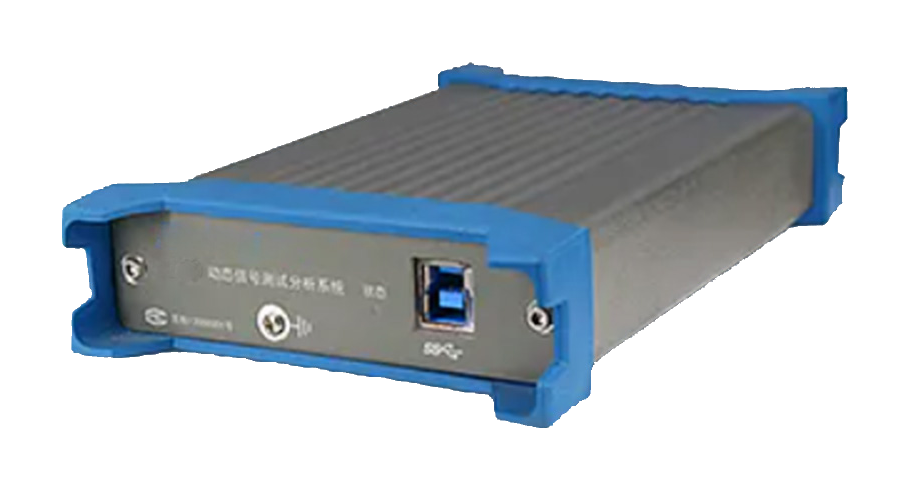
DL-DAQ-903
Portable Modal Testing System
Portable modal testing system for force-measurement modal experiments, supporting hammer excitation, shaker excitation, single-point pickup, single-point excitation modal analysis, 4 IEPE input channels, USB 3.0 communication and power, 128 kHz per-channel sampling, IEPE acceleration and force sensors, filtering, TEDS support, and long-duration synchronized recording.
4 IEPE input channels
Up to 128 kHz per channel
USB 3.0 communication and power
Modal / Laboratory
Details
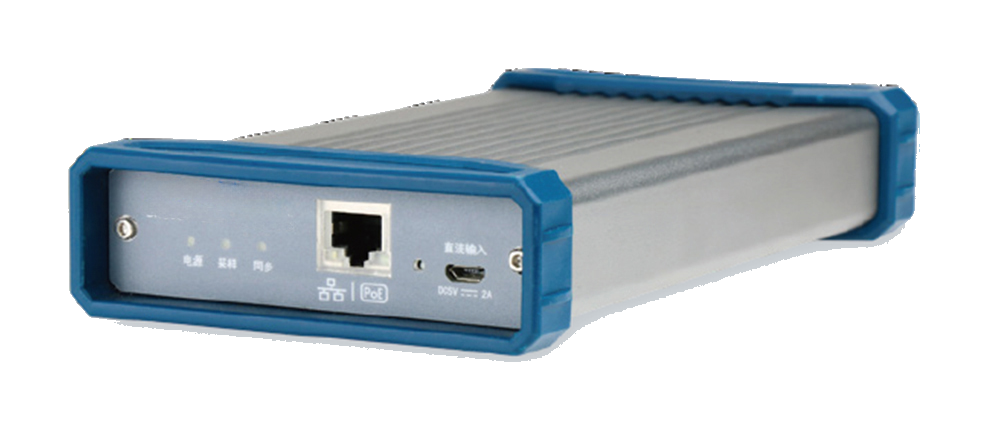
DL-DAQ-501
Distributed Strain Signal Testing and Analysis System
Distributed strain signal acquisition system for scattered measurement points, supporting 8 or 16 channels per module, 24-bit conversion, 1 Hz to 1 kHz per-channel sampling, DC to 35 Hz frequency response, full-bridge, half-bridge, and three-wire quarter-bridge strain measurement, voltage acquisition, and Ethernet system communication.
8 or 16 strain channels per module
1 Hz to 1 kHz per channel
RS485 module network and Ethernet computer communication
Bridge / Building
Details
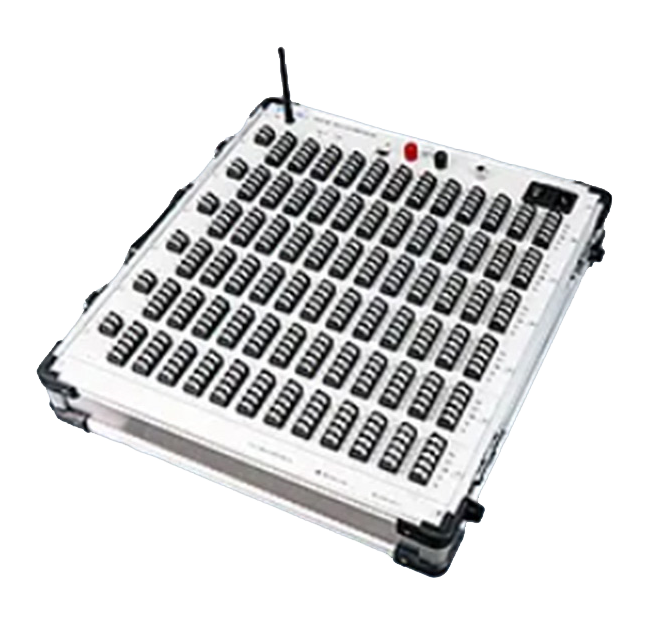
DL-DAQ-601
Static Strain Acquisition System
Static strain acquisition system with 36 or 72 measurement points, wired Ethernet or wireless control, computer and mobile-app operation, full-bridge, half-bridge, three-wire quarter-bridge, common-compensation quarter-bridge, bridge-type pressure, force, load, and displacement measurements, voltage measurement, automatic lead-resistance correction, and bridge self-check.
36 or 72 measurement points
Static strain acquisition
Wired Ethernet or wireless control
Bridge / Building
Details
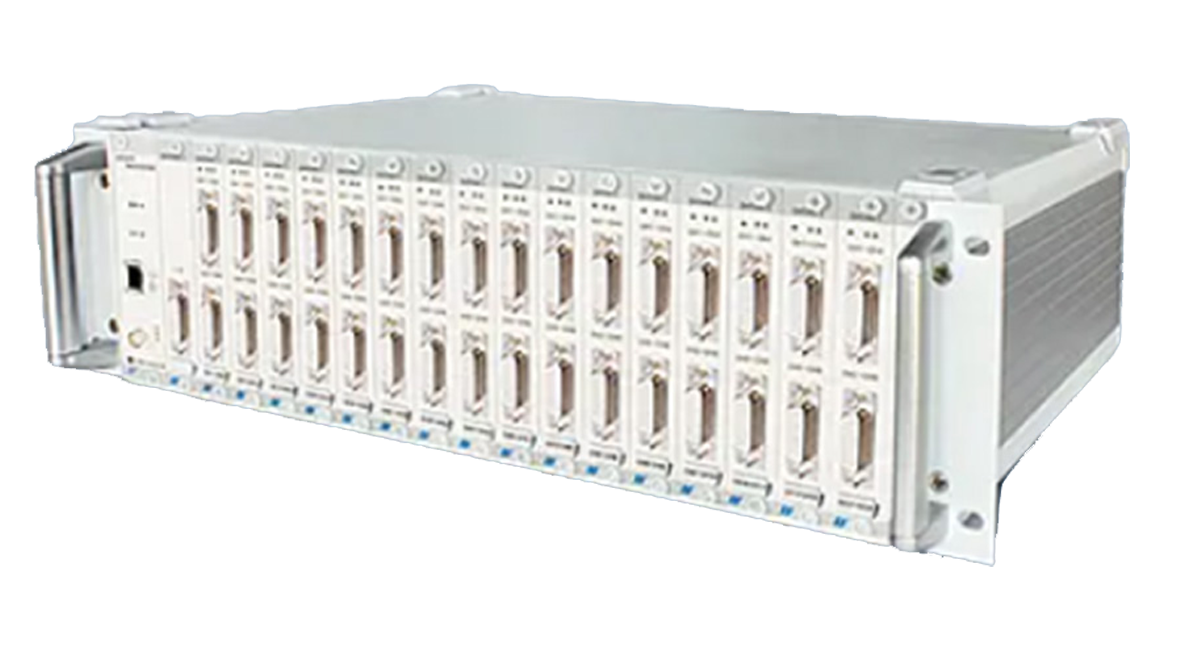
DL-DAQ-401
Centralized Structural Signal Testing and Analysis System
Centralized signal testing and analysis system for large-structure strength and fatigue assessment, supporting quasi-dynamic and dynamic strain acquisition, bridge sensor inputs, thermocouple and voltage measurement, Ethernet expansion, synchronized multi-channel recording, and long-duration data storage.
Strain, bridge sensor, thermocouple, and voltage inputs
Up to 1 kHz or 5 kHz per channel depending on module
Ethernet expansion with NTP or sync-line timing
Bridge / Building
Details
Additional products in this solution scope
Software Platform
Software Platform & Analysis System
Structural health monitoring software for dynamic signal analysis, modal testing, fatigue evaluation, and multi-view engineering visualization in complete DAQ and monitoring systems.
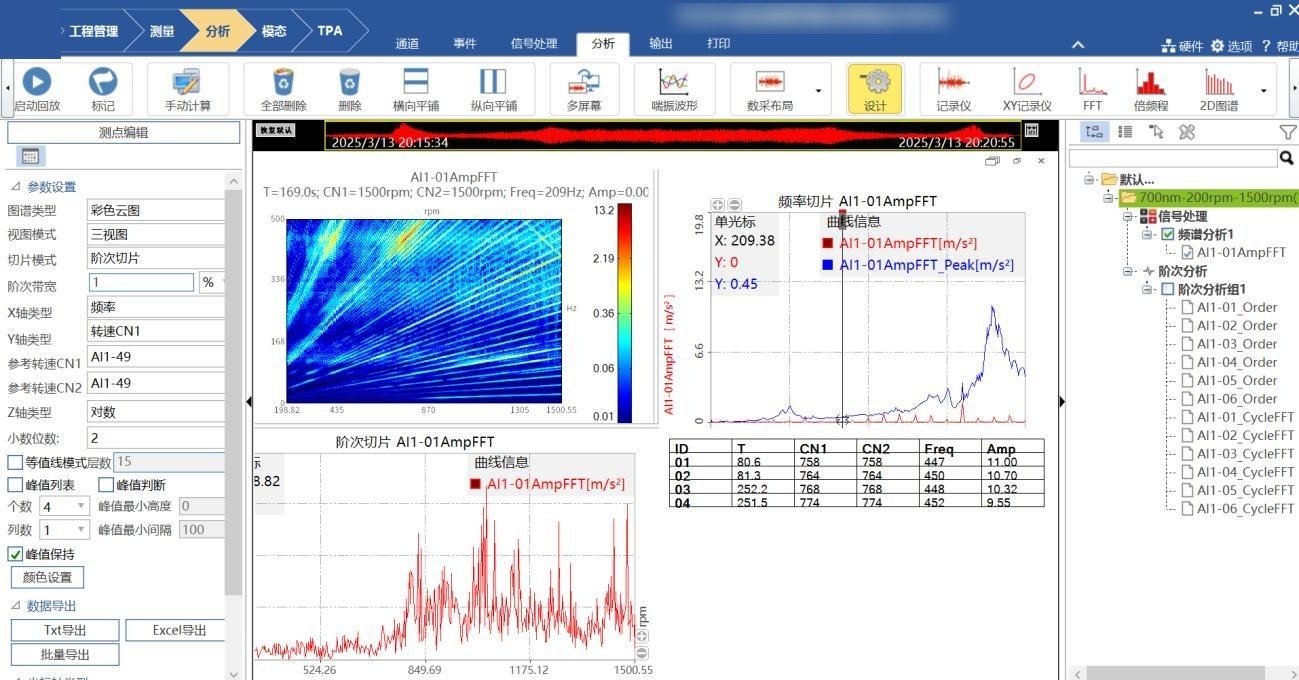
Signal Processing Engine
FFT analysis, time-domain waveform processing, IIR/FIR filtering, wavelet analysis, and cepstrum tools.
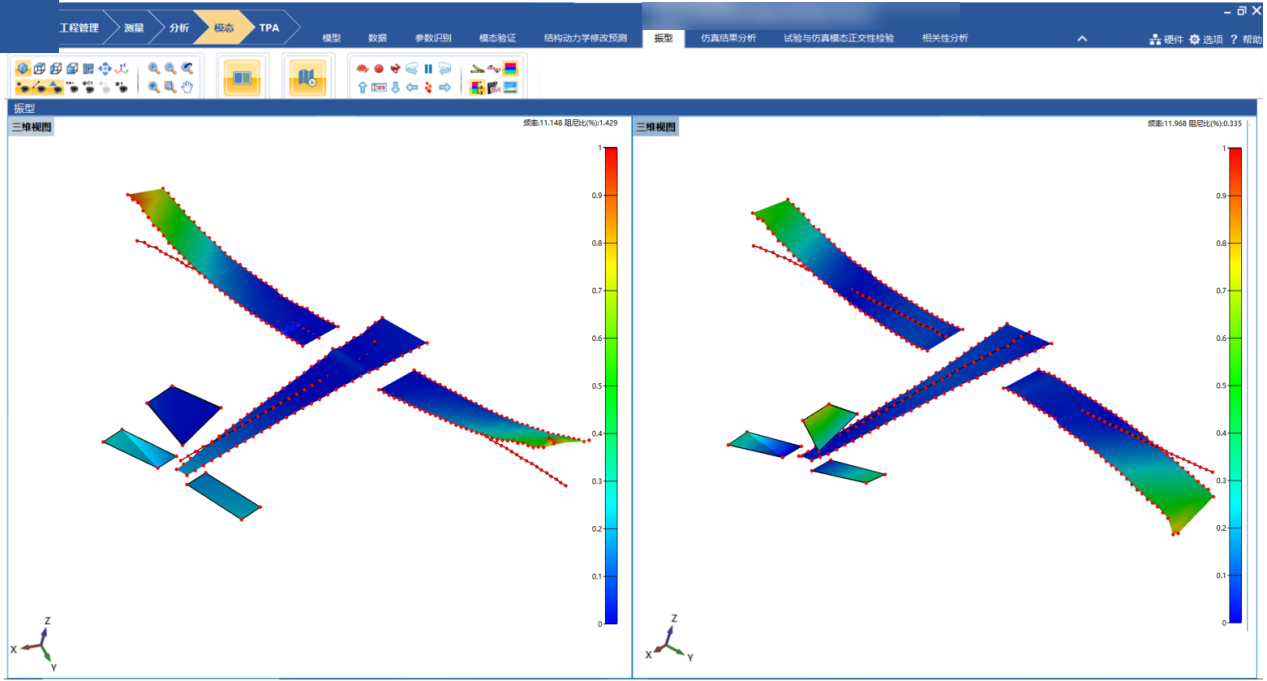
Structural Dynamics Analysis
Modal analysis for EMA, OMA, and GVT workflows with FRF, ODS, and structural prediction support.
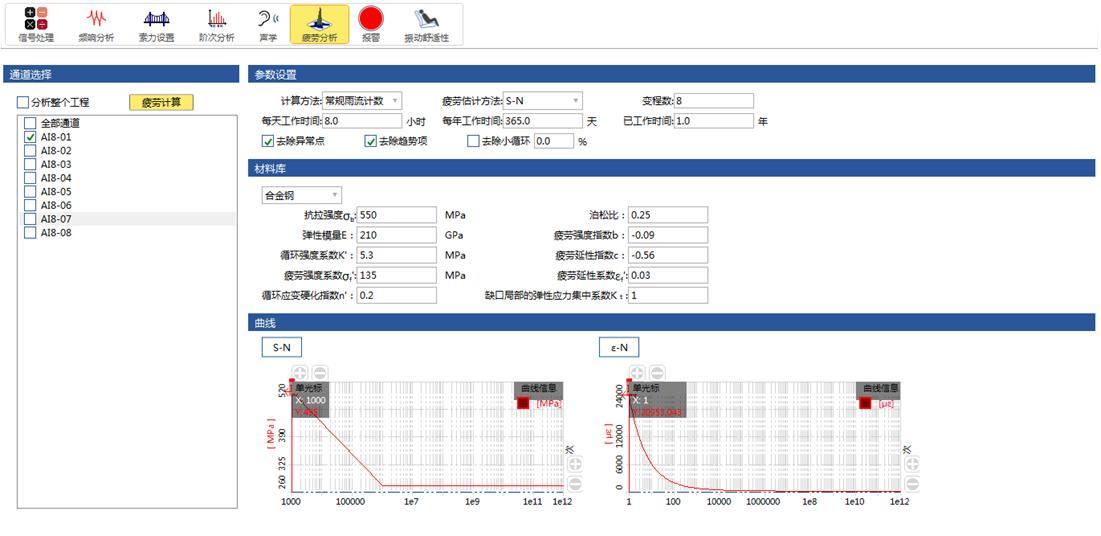
Data Analytics Engine
Rainflow counting, fatigue life evaluation, statistical analysis, integration, and signal preprocessing.
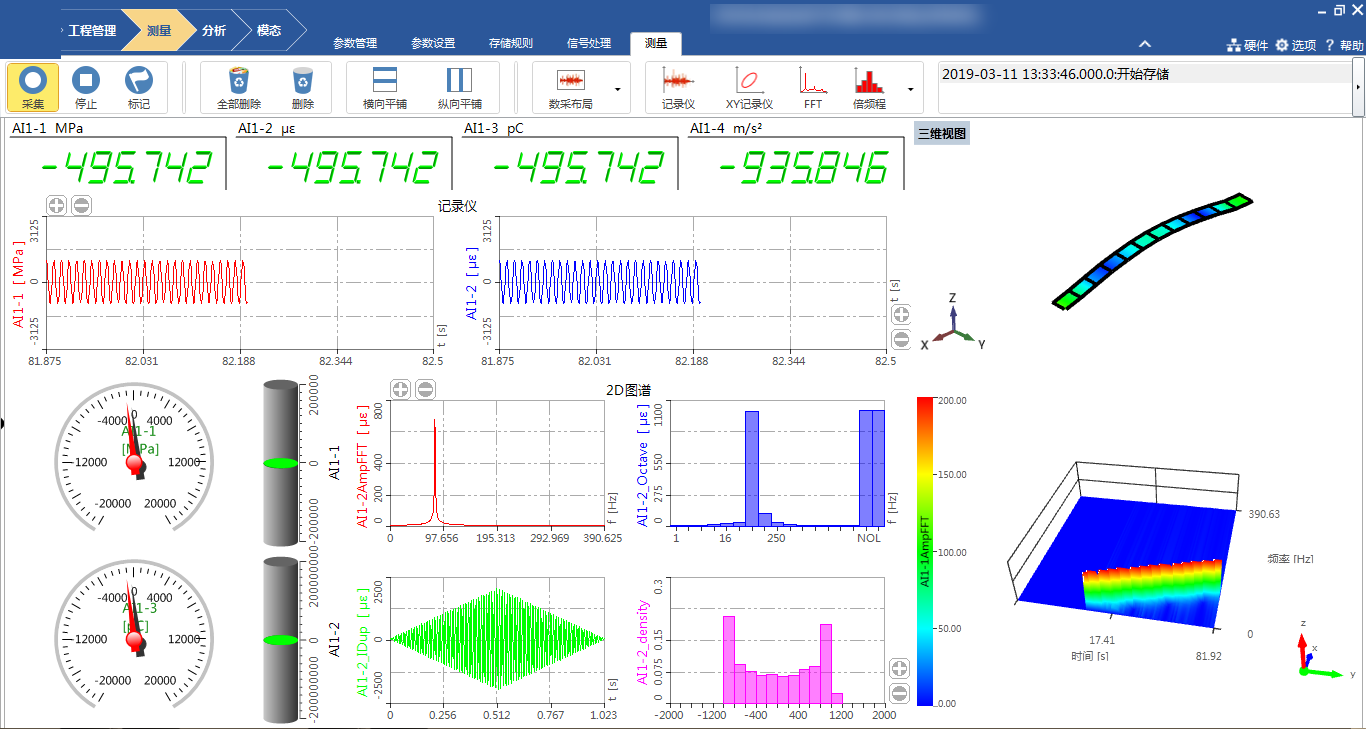
Visualization System
Real-time waveform, FFT spectrum, 2D/3D visualization, dashboards, meters, charts, and synchronized views.
Case Reference
Relevant project examples
Ancient Structures Monitoring
Qinghui Garden, Chen Clan Ancestral Hall, and Guangzhou Peasant Movement Institute monitoring for crack evolution, vibration response, tilt, displacement, deformation, and construction influence.
Rock-Cut Structure Monitoring
Longmen Grottoes online monitoring for rock fissure evolution, vibration response, displacement trend, weathering-related degradation, and long-term stability analysis.
RFQ Fit
Convert solution scope into proposal input
Use the case references and product system mapping above to define monitoring points, product scope, and alert requirements.
Request Technical ProposalStructured RFQ Path
Request path for Cultural Heritage Monitoring System Monitoring
Step 1
Define Data Nodes
Sensor, wireless node, GNSS station, seismic unit, or DAQ field layer.
Step 2
Configure Network
Civil infrastructure, industrial equipment, heritage, seismic, or research monitoring chain.
Step 3
Build RFQ Scope
Asset type, measurement points, channels, sampling rate, communication, environment, and duration.
Step 4
Review Proposal
Receive system architecture, product configuration, data output, and engineering review structure.
Key Technical Advantages
Engineering-grade monitoring capability
Separates Cultural Heritage Monitoring System from bridge, dam, and general civil infrastructure RFQs.
Combines Ancient Structures Monitoring and Rock-Cut Structure Monitoring under one high-value Heritage Structural Health Monitoring path.
Preserves crack, vibration, tilt, displacement, GNSS, DAQ, and software platform capabilities while presenting them with heritage-specific terminology.
Supports RFQ discussion by heritage asset type, monitoring objective, sensor channel, acquisition method, platform output, alarm logic, and reporting interval.
Provides a clear system-level path for metro construction influence, highway construction influence, environmental vibration, weathering, and long-term stability analysis.
Engineering Credibility
Reliability, topology, and project validation
99.98%
target data availability
IP67/68
field protection classes
4G/Fiber
site transmission options
RFQ
project-based configuration
Measurement planning
Monitoring object, measurement range, sampling rate, and signal type guide project configuration.
Communication options
DL systems support project configurations using wired, wireless, GNSS, and gateway-based communication methods.
Documentation support
Datasheets and technical selection information are available upon request for RFQ preparation.
Product selection should be confirmed against site conditions, measurement points, installation environment, and expected data output.