
Dam Safety Monitoring System
Engineering solution for dam safety monitoring, seepage pressure, uplift pressure, GNSS deformation, structural strain, and alert workflows.
For dam safety teams evaluating long-term seepage, pressure, deformation, reservoir response, and structural monitoring systems.
Engineering Search Intent
Monitoring problems this page answers
Monitor civil infrastructure deformation, strain, vibration, displacement, tilt, cracks, settlement, GNSS movement, cable force, seismic response, and construction-stage structural behavior.
dam safety monitoring system
dam seepage monitoring
dam deformation monitoring
reservoir structural health monitoring
Recommended System Configuration
Typical hardware and software scope for this solution
Final selection depends on monitoring object, measurement points, signal type, communication method, and site installation conditions.
System Topology
From monitored asset to engineering decision
01
Monitoring Object
Bridge, tunnel, equipment, heritage, or laboratory structure
02
Sensor Network
Vibration, strain, displacement, GNSS, seismic, and environmental points
03
DAQ / Gateway
Synchronized acquisition, edge storage, timing, and communication
04
Platform Output
Trend, waveform, event alarm, report, dashboard, and RFQ package
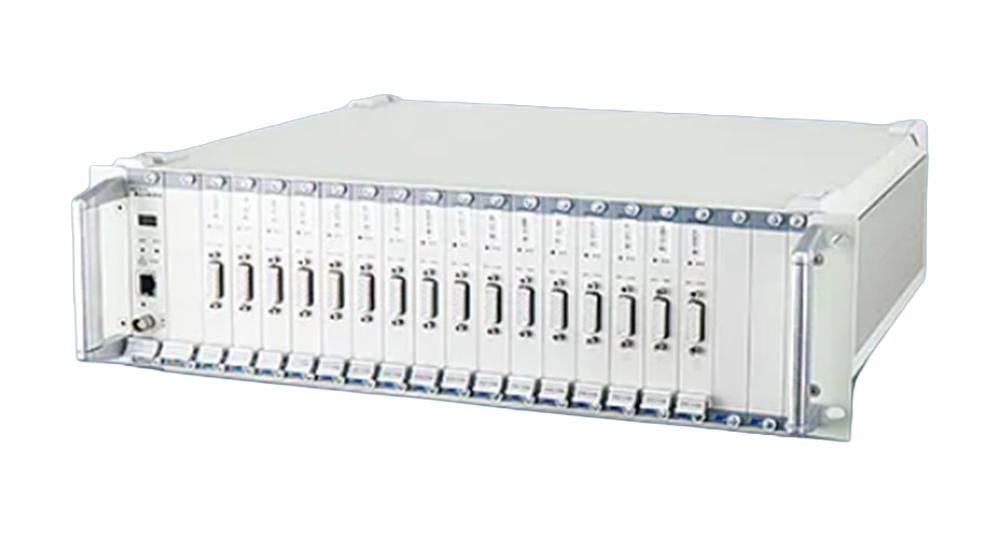
DL-DAQ-901
Dynamic Signal Testing and Analysis System
Dynamic signal testing and analysis system for large-structure strength and service-life evaluation, supporting strain, bridge-type sensors, IEPE acceleration and acoustic sensors, charge sensors, RTD, thermocouple, current-loop sensors, eddy-current, velocity, acceleration, displacement, and voltage inputs, Ethernet or USB 3.0 communication, multi-channel synchronized recording, 256 kHz per-channel sampling, bridge self-check, TEDS support, and long-duration data storage.
Strain, bridge sensors, IEPE, charge, RTD, thermocouple, current-loop, eddy-current, velocity, acceleration, displacement, and voltage
Up to 256 kHz per channel
Ethernet or USB 3.0
Bridge / Building
Details
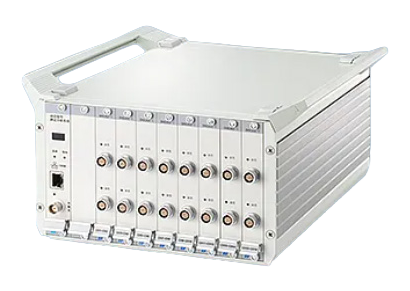
DL-DAQ-902
Ultra-Dynamic Signal Testing System
Ultra-dynamic signal testing system for shock and blasting tests, supporting stress-strain, bridge-type force, pressure, displacement, velocity, acceleration, charge, and voltage signals, 8M-point per-channel cache, 20 MHz transient sampling, DC to 1 MHz frequency response, gigabit Ethernet expansion, multiple trigger modes, 16-bit A/D conversion, four-wire bridge excitation, and high-speed data transfer.
Stress-strain, force, pressure, displacement, velocity, acceleration, charge, and voltage
20 MHz transient sampling; DC to 1 MHz response
Gigabit Ethernet expansion
Blasting / Impact
Details
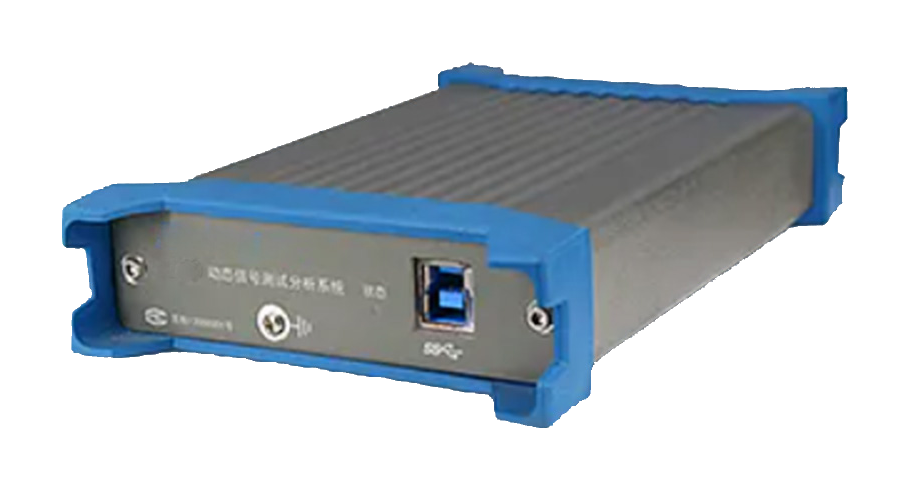
DL-DAQ-903
Portable Modal Testing System
Portable modal testing system for force-measurement modal experiments, supporting hammer excitation, shaker excitation, single-point pickup, single-point excitation modal analysis, 4 IEPE input channels, USB 3.0 communication and power, 128 kHz per-channel sampling, IEPE acceleration and force sensors, filtering, TEDS support, and long-duration synchronized recording.
4 IEPE input channels
Up to 128 kHz per channel
USB 3.0 communication and power
Modal / Laboratory
Details
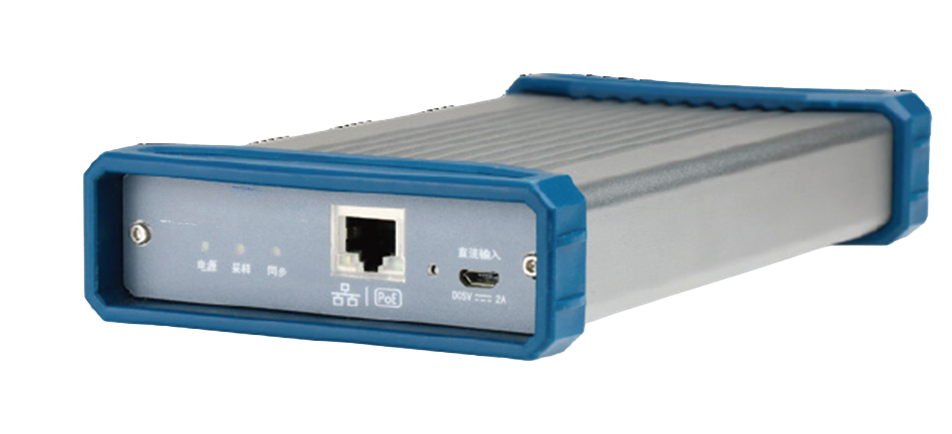
DL-DAQ-603
Distributed Network Dynamic Signal Acquisition System
Distributed network dynamic signal acquisition system for large-structure strength and vibration testing, supporting strain, force, pressure, displacement, velocity, acceleration, IEPE acceleration, acoustic, and voltage inputs, modular Ethernet and PoE expansion, IEEE 1588 synchronization, 24-bit A/D conversion, bridge self-check, TEDS support, and long-duration synchronized dynamic recording.
Strain, force, pressure, displacement, velocity, acceleration, IEPE, acoustic, and voltage inputs
Dynamic synchronized acquisition
Ethernet / PoE with IEEE 1588 synchronization
Bridge / Building
Details
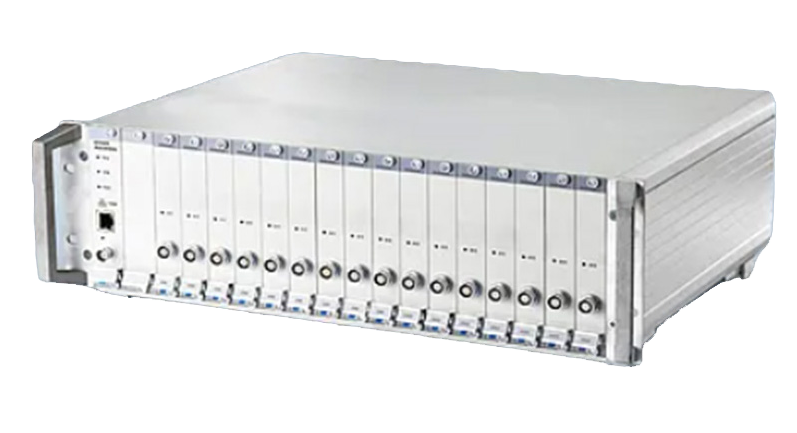
DL-DAQ-703
High-Performance Dynamic Signal Acquisition System
High-performance dynamic signal acquisition system for high-precision measurement in strong-interference environments, supporting strain, voltage, IEPE, charge, current, and resistance measurements, channel isolation, +/-500 V common-mode voltage suppression, 16-channel modules, gigabit Ethernet expansion, intelligent lead identification, TEDS support, four-wire bridge excitation, and up to 256 kHz per-channel continuous sampling.
Strain, voltage, IEPE, charge, current, and resistance inputs
Up to 256 kHz per channel
Gigabit Ethernet expansion
Industrial / Laboratory
Details
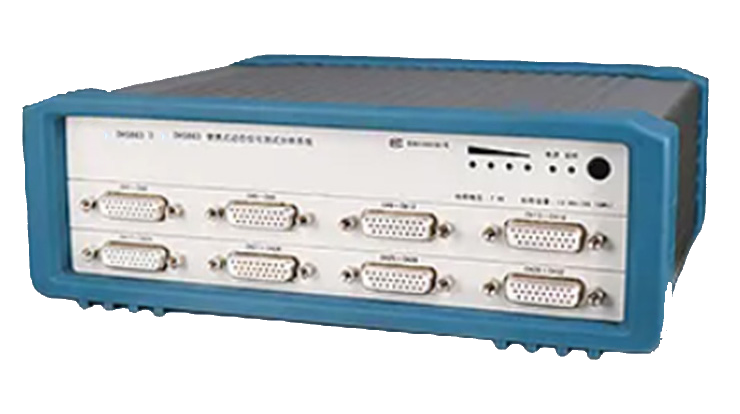
DL-DAQ-803
Portable Dynamic Signal Acquisition System
Portable dynamic signal acquisition system with 16 or 32 synchronized channels, supporting strain, force, pressure, displacement, velocity, acceleration, IEPE acceleration, acoustic, and voltage inputs, USB 3.0 communication, 24-bit A/D conversion, built-in battery operation, TEDS support, bridge self-check, long-duration real-time recording, and field testing or inspection workflows.
16 or 32 synchronized channels
Dynamic synchronized acquisition
USB 3.0
Bridge / Building
Details
Additional products in this solution scope
Engineering Credibility
Reliability, topology, and project validation
99.98%
target data availability
IP67/68
field protection classes
4G/Fiber
site transmission options
RFQ
project-based configuration
Measurement planning
Monitoring object, measurement range, sampling rate, and signal type guide project configuration.
Communication options
DL systems support project configurations using wired, wireless, GNSS, and gateway-based communication methods.
Documentation support
Datasheets and technical selection information are available upon request for RFQ preparation.
Product selection should be confirmed against site conditions, measurement points, installation environment, and expected data output.
Structured RFQ Path
Request path for Dam Safety Monitoring System
Step 1
Define Data Nodes
Sensor, wireless node, GNSS station, seismic unit, or DAQ field layer.
Step 2
Configure Network
Civil infrastructure, industrial equipment, heritage, seismic, or research monitoring chain.
Step 3
Build RFQ Scope
Asset type, measurement points, channels, sampling rate, communication, environment, and duration.
Step 4
Review Proposal
Receive system architecture, product configuration, data output, and engineering review structure.