
CJ-1 Smart Hydraulic Settlement Gauge with RS485 Output for Long-Term Deformation Monitoring
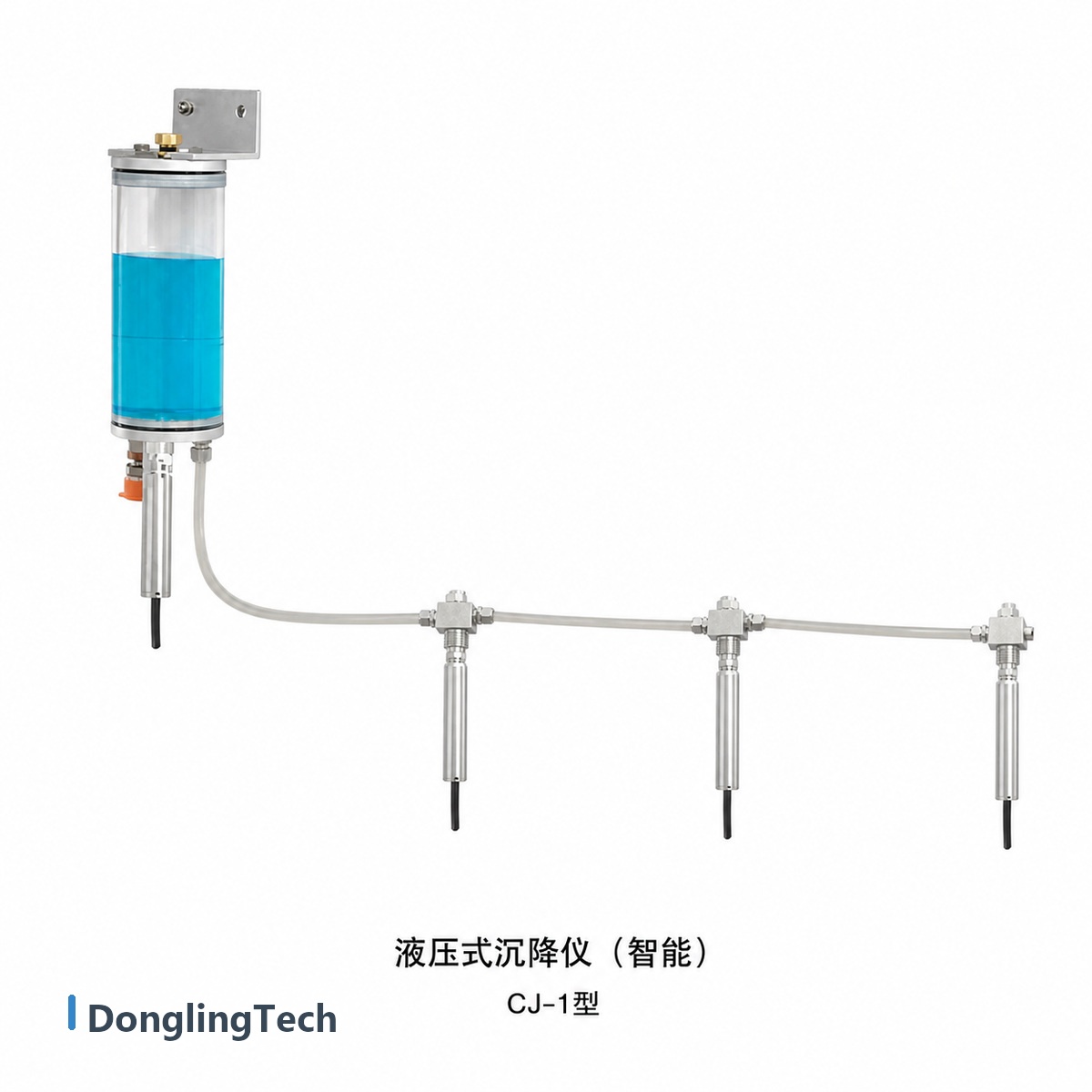
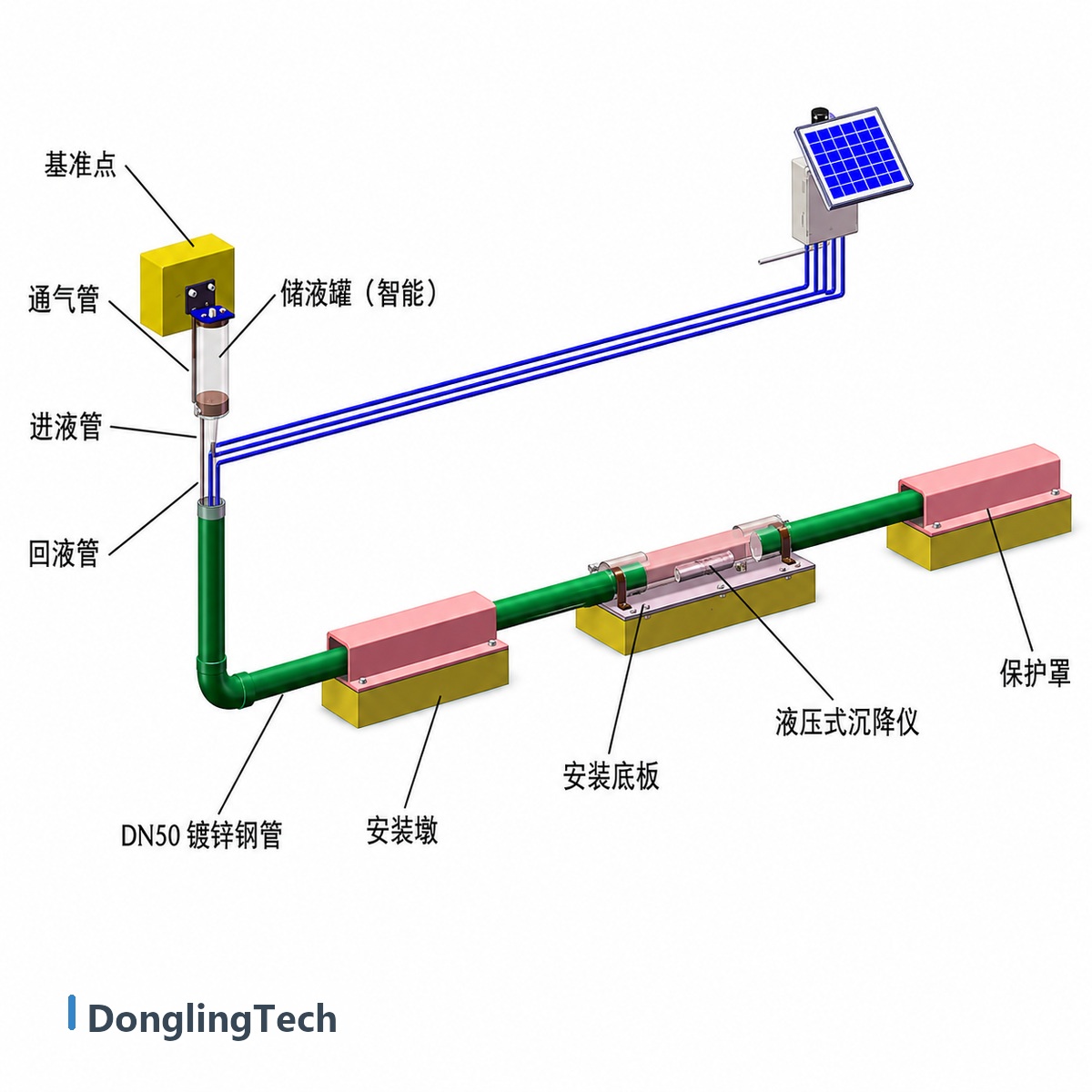
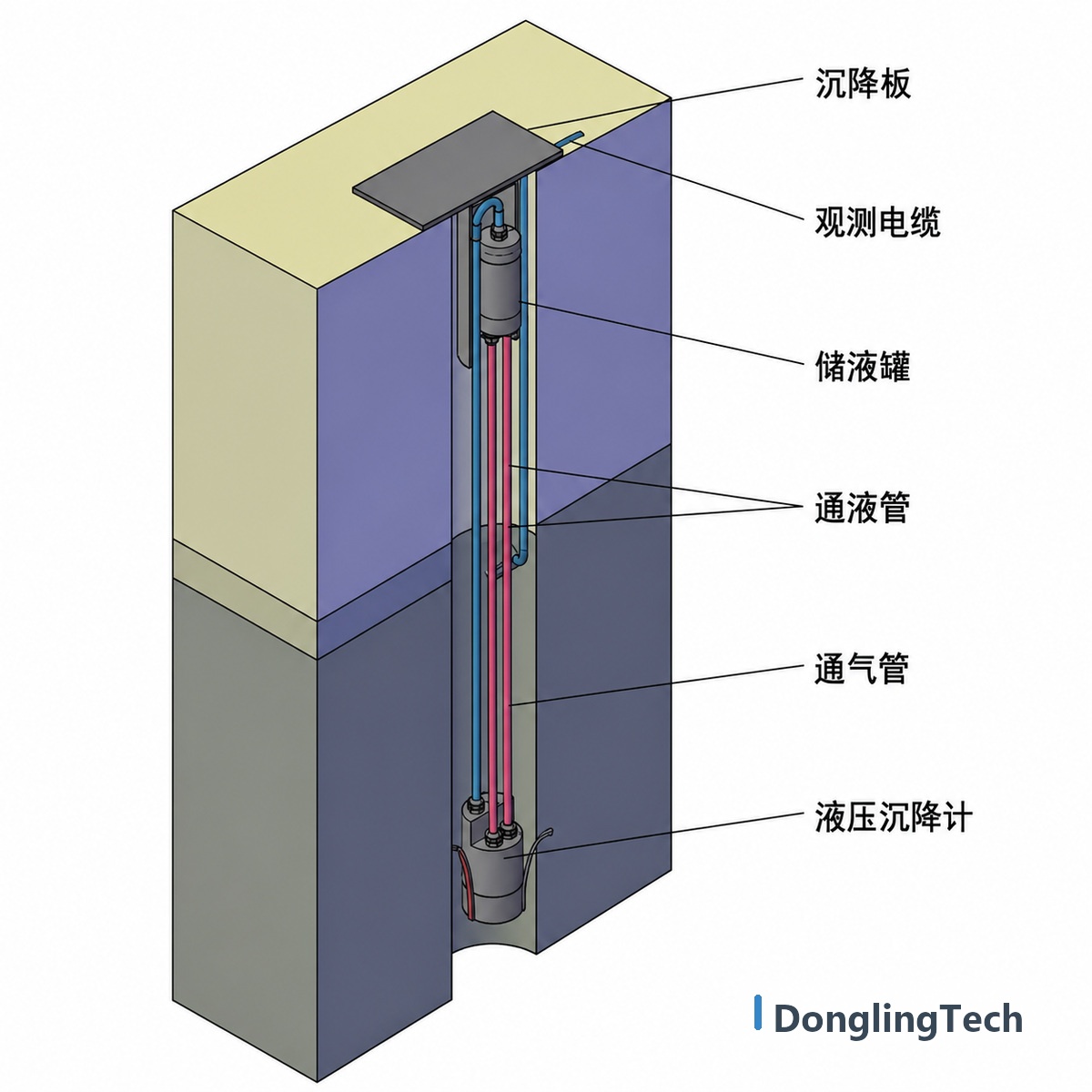
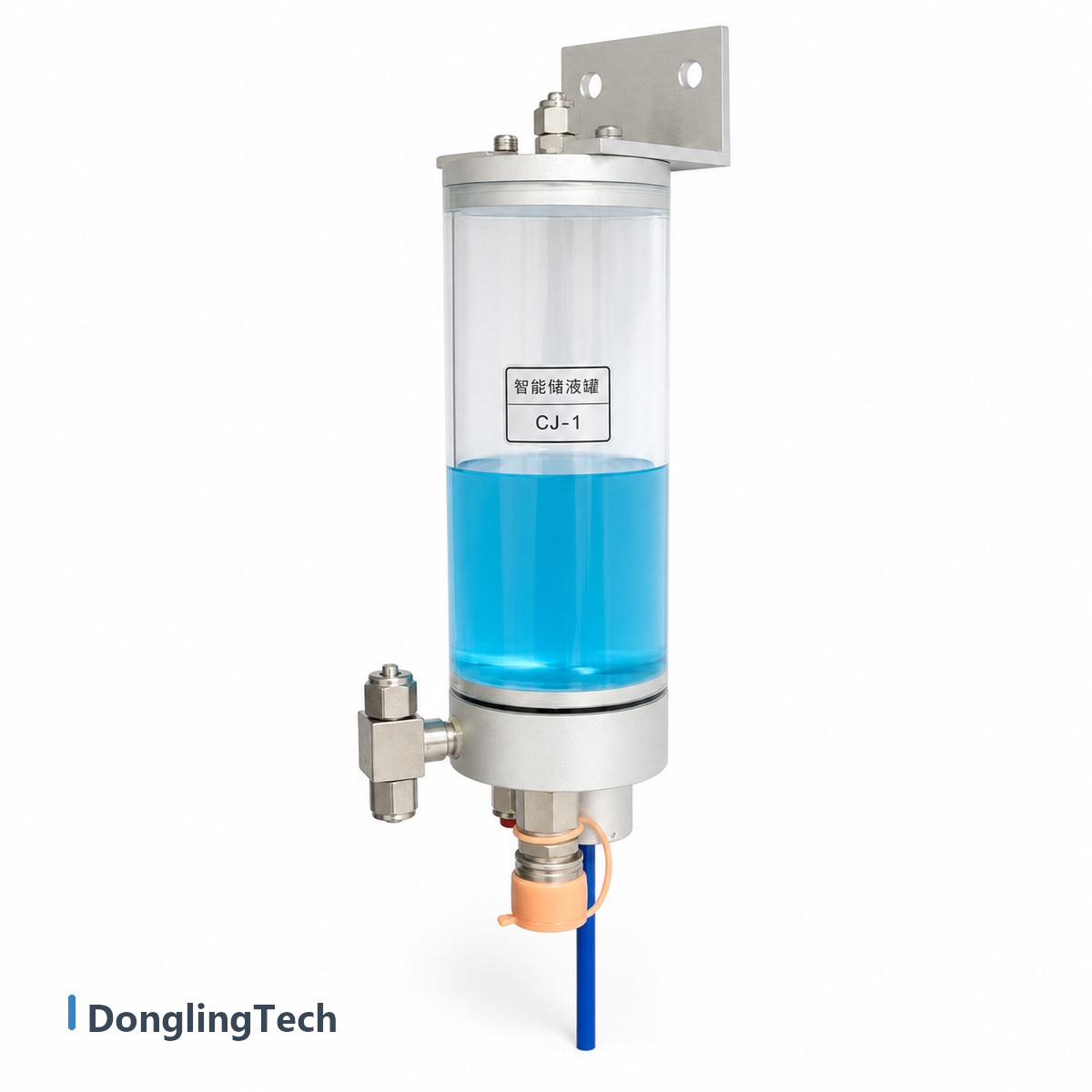
CJ-1 Smart Hydraulic Settlement Gauge is designed for long-term settlement monitoring inside and outside engineering structures. It is widely used for dams, bridges, slopes, foundations, highway embankments, civil and industrial buildings, and internal or external settlement deformation monitoring of backfill soil. The hydraulic settlement gauge is composed of a silicon pressure sensor and supporting accessories. It can be installed as a single monitoring point or used in multi-point networked measurement systems. The sensor body adopts a full stainless steel structure with compact 24 x 136 mm size, impact resistance, grounding lightning protection and stable long-term operation.
System Category
DL-SE
Signal Type
沉降
Communication
RS485
Application Fit
Typical applications for this product
Industrial Equipment Monitoring
Monitor rotating machinery and industrial equipment condition including vibration, torque, shaft power, rotational speed, shaft torsional vibration, and operational condition trends.
Typical configuration reference
Cultural Heritage Monitoring System
Monitor crack evolution, structural vibration response, tilt, displacement, long-term deformation, rock-mass fissure evolution, weathering-related structural degradation, stability trends, and environmental or human-activity impact for protected heritage assets.
Typical configuration reference
Civil Infrastructure Structural Monitoring
Monitor civil infrastructure deformation, strain, vibration, displacement, tilt, cracks, settlement, GNSS movement, cable force, seismic response, and construction-stage structural behavior.
Typical configuration reference
Research & Engineering Testing
Capture modal response, vibration response, dynamic strain, torque, speed, temperature, pressure, force, displacement, and synchronized multi-channel data for engineering verification.
Typical configuration reference
Product Media
Product views and demonstration
Product Image and Application Context
Visual reference for CJ-1 Smart Hydraulic Settlement Gauge with RS485 Output for Long-Term Deformation Monitoring
Product images are used when available for RFQ evaluation and product recognition.
Primary Product Image
Product image configured for this product.
Application Context
Product image configured for this product.
Dam settlement monitoring
Typical project-specific installation deployment for project configuration.
Bridge settlement monitoring
Typical project-specific installation deployment for project configuration.
Slope settlement monitoring
Typical project-specific installation deployment for project configuration.
Technical Specifications
Category
DL-SE
Measurement Range
0-10 m
Sampling Rate
0.02%F.S.
Communication Protocol
RS485
Protection Level
Application-specific enclosure
Power Supply
Project-configured power supply
Application Tags
Dam settlement monitoring, Bridge settlement monitoring, Slope settlement monitoring, Foundation settlement monitoring, Highway embankment settlement monitoring, Civil and industrial building settlement monitoring
Installation Type
Project-specific installation
Model NO.
CJ-1
Product Name
Smart Hydraulic Settlement Gauge
Type
Hydraulic Settlement Gauge / Settlement Monitoring Sensor
Measuring Range
0-10 m
Resolution
0.02%F.S.
Measurement Accuracy
0.1%F.S.
Temperature Range
-40°C to +80°C
Temperature Sensitivity
±0.1°C
Barometric Correction
Automatic Compensation
Output Signal
RS485
Over-Range
25% normal operation
Outer Diameter
24 mm
Length
136 mm
Material
Stainless Steel
Water Pressure Resistance
1.5 times of measuring range
Insulation Resistance
>=50MΩ
Structure
Silicon Pressure Sensor, Mounting Bracket, Observation Cable, Liquid Pipe, Reservoir, Antifreeze, Fixing Bracket
Compatible Automatic System
MCU Distributed Measurement Unit, GDA Full-Function Datalogger
Application
Dam, Bridge, Slope, Foundation, Embankment, Building and Backfill Settlement Monitoring
Origin
China
Model
CJ-1
Measuring Range
0-10 m
Resolution
0.02%F.S.
Measurement Accuracy
0.1%F.S.
Temperature Range
-40°C to +80°C
Temperature Sensitivity
±0.1°C
Barometric Correction
Automatic Compensation
Output Signal
RS485
Over-Range
25% normal operation
Outer Diameter
24 mm
Length
136 mm
Material
Stainless Steel
Water Pressure Resistance
1.5 times of measuring range
Insulation Resistance
>=50MΩ
Equipment
Suggested Description
Calibration Equipment
Displacement Sensor Calibration Frame
Calibration Instrument
Precision Grating Ruler
Observation Cable
YSPT-4P hydraulic engineering cable
Cable Extension
Waterproof cable connector
Readout Unit
Full-function readout unit
Centralized Automatic Measurement
MCU distributed modular automatic measurement unit
Distributed Automatic Measurement
GDA full-function datalogger
Engineering Applications
Where this DL product is applied
Designed for long-term settlement monitoring inside and outside structures
Suitable for dams, bridges, slopes, foundations, highway embankments, civil buildings and backfill soil
Supports single-point installation and multi-point networked measurement
Composed of silicon pressure sensor and settlement monitoring accessories
Full stainless steel structure with 24 x 136 mm compact sensor body
Impact resistant and grounding lightning protection design
Automatic temperature and barometric pressure compensation
RS485 digital output
Typical Use Cases
Typical monitoring use cases
Dam settlement monitoring
Bridge settlement monitoring
Slope settlement monitoring
Foundation settlement monitoring
Highway embankment settlement monitoring
Civil and industrial building settlement monitoring
Backfill soil internal settlement monitoring
External structure settlement deformation monitoring
System Integration Context
Sensor, DAQ, and software context
Confirm measurement range, cable length, mounting accessories, environmental conditions, and output interface before quotation.
Match the sensor or acquisition unit with the project data logger, communication gateway, power design, and monitoring platform.
Final configuration and calibration requirements are confirmed against the monitoring point schedule.